Virginia Peninsula military and commercial fleets share the roads around Hampton. We service both near Langley AFB corridor and along I-64, with field repair units ready to roll.
Air Brake Repair for Hampton trucks and trailers
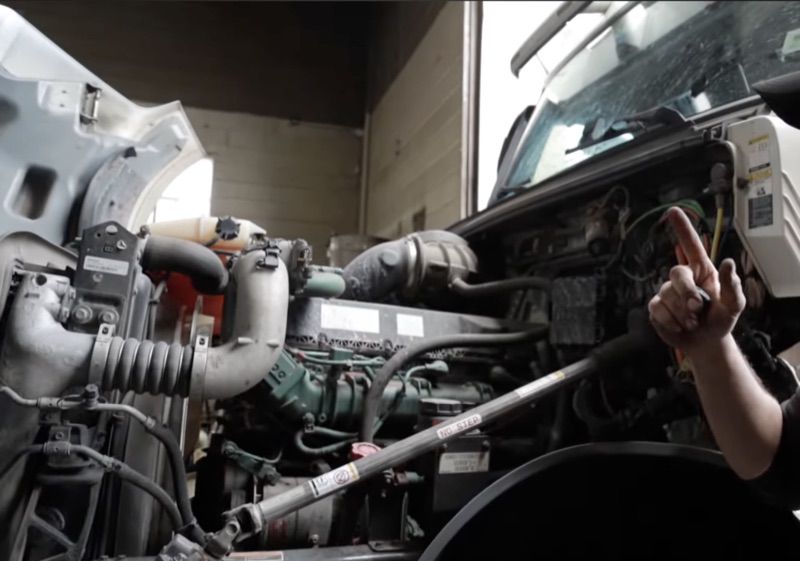
Mr. Hampton Mobile Truck Repair handles air brake repair for commercial trucks, trailers, box trucks, work trucks, and fleet equipment across the Hampton area. The goal is to identify what can be repaired safely on site, what needs parts support, and whether the truck can continue operating without creating a larger roadside problem.
What this service call usually includes
Service begins with location, access, safety, and symptom details. A driver or fleet manager should be ready to describe warning lights, recent repairs, leaks, air loss, brake behavior, tire damage, electrical faults, cooling symptoms, trailer connection issues, or no-start conditions. Those details help separate a quick field repair from a deeper shop or tow situation.
Mobile repair situations we see often
- Breakdowns at customer docks, yards, job sites, terminals, and highway shoulders.
- Fleet trucks that need practical on-site checks before the next route.
- Trailer lighting, brake, air, door, landing gear, and suspension concerns.
- Diesel, charging, cooling, tire, and electrical problems that need field diagnosis.
- Follow-up repairs after a driver notices a recurring fault or unsafe condition.
Helpful information before dispatch
Provide the exact truck location, unit and trailer numbers, whether the vehicle is loaded, gate codes, available working space, and any photos or fault-code information. Clear details help the mobile technician arrive prepared and keep the service call focused.
Air Brake Repair for Mr. Hampton trucks and trailers
Mr. Hampton Mobile Truck Repair handles air brake repair for commercial trucks, trailers, box trucks, work trucks, and fleet equipment across the Mr. Hampton area. The goal is to identify what can be repaired safely on site, what needs parts support, and whether the truck can continue operating without creating a larger roadside problem.
What this service call usually includes
Service begins with location, access, safety, and symptom details. A driver or fleet manager should be ready to describe warning lights, recent repairs, leaks, air loss, brake behavior, tire damage, electrical faults, cooling symptoms, trailer connection issues, or no-start conditions.
Mobile repair situations we see often
- Breakdowns at customer docks, yards, job sites, terminals, and highway shoulders.
- Fleet trucks that need practical on-site checks before the next route.
- Trailer lighting, brake, air, door, landing gear, and suspension concerns.
- Diesel, charging, cooling, tire, and electrical problems that need field diagnosis.
- Follow-up repairs after a driver notices a recurring fault or unsafe condition.
Helpful information before dispatch
Provide the exact truck location, unit and trailer numbers, whether the vehicle is loaded, gate codes, available working space, and any photos or fault-code information. Clear details help the mobile technician arrive prepared and keep the service call focused.